
Sunday Builders Club (@sundaybuildclub) asked us to come prepared to answer a question:
If you could only work on one thing, build one thing, what would it be, and why?
My answer is Omarchy.
An entire operating system counts as one thing, right? 😅
From someone with more than 140 GitHub repositories, that is a fairly generous interpretation of “one thing”. It is also an honest answer. I want to give something my sustained attention without switching off the curiosity that made me care about it.
I’m a bit embarrassed by those 140 repos. There is work in them that I’m proud of, but I also see the scattered attention and the overhead I have created for myself. I can look at everything I’ve built and still manage to turn it into a criticism: why can’t you just focus?
Then I remember how I got here.
The project inside the project
I built AsDecided (@AsDecided) during some downtime between jobs. It became a bit of a thing. To find out how well it worked, I used it to build another project.
That something became Wayfinder (@tryWayfinder), a deterministic, off-line tool for routing requests between local and frontier/hosted AI models.
Wayfinder began as a way of dogfooding AsDecided: using what I’d built to build something else. Then it became a spin-out I cared about more than the original project.
Someone else discovered it and shared it on Hacker News. It took off beyond the audience I had reached myself. Other people had found something useful in a project that began as part of my work on something else.
I couldn’t have written that sequence into a sensible plan at the beginning. I had to build my way into it.
Had I decided that AsDecided was my one thing, I might have treated Wayfinder as a distraction. I would have been following the plan, while talking myself out of the project I ended up caring about more.
That doesn’t make every new idea worth chasing. Starting again can be a very appealing way to avoid finishing. But I want to understand why my attention has moved before assuming it has failed me.
Why I would choose Omarchy
Omarchy is the Linux desktop I have been building apps, plugins and themes for. It is where I would want to put my effort because improvements there can help everyone using it. People wouldn’t need to find one of my projects and decide to install it to benefit.
I would want to lower the barrier for people coming from Windows and Mac. Make the first few steps easier. Reduce the small moments of confusion that accumulate until someone decides a new system is too much effort.
That ambition has a very ordinary starting point: I wanted my family to be able to use it.
Familiar, my desktop plugin, grew from that. I wanted a desktop with recognisable controls that people could approach without having to learn everything at once. Building it made me care about the details that stand between someone liking the idea of Linux and actually feeling comfortable using it.
Seeing Omarchy take on much of what Familiar aimed to provide brought up a feeling I wasn’t entirely proud of. I wanted this experience to exist, and now it did, but I was attached to my version. It was part of the desktop I had built for myself. Agreeing that it belonged in Omarchy was easier than letting go of that attachment.
But it also clarified where I would like to contribute. If the experience I wanted can become part of the shared desktop, I want to help make that experience good.
I would like to explore what it would take for Omarchy to be suitable for firms like mine, too. Something approachable enough to bring home and dependable enough to consider at work. That is an ambition I would enjoy getting into the weeds to understand.
Core would challenge me. It would mean learning more about how the whole system fits together, working within a shared project and understanding decisions beyond my own corner of the desktop. There is plenty there to keep me interested.
When someone else cares
The happiest part of building, for me, is seeing other people use something I’ve made.
An issue arrives because someone has found a problem. A pull request follows because someone has worked out how to improve it. They have taken the time to understand the thing, form an opinion and do something about it.
I love that moment. A project starts to belong to more people than the person who created the repository.
It gives the work a reason to continue after the initial excitement has worn off. There is someone on the other side of the change. Something they want to do gets easier because we improved it.
That is a large part of the appeal of Core. My curiosity could contribute to a shared experience that keeps getting better, alongside other people who care about it.
Making room for curiosity
Choosing an operating system does leave plenty of room to hide another hundred projects under one heading. I’m aware of that. Calling everything “Omarchy” wouldn’t magically give me better focus.
I still need to finish things, respond to people and choose what deserves my attention. I also want to spend less of that attention moving between places where the work lives.
One small example: I’d love plugins and themes to be installable from subdirectories within a repository. I could keep them together under one set of standards, with fewer separate places to look after. That would let me keep experimenting while reducing some of the overhead I complain about.
Before deciding my curiosity needs fixing, I’d like to fix some of the overhead I’ve built around it.
I see opportunities everywhere. Things that could be easier, things I want to try, things I would like to exist. That doesn’t stop when I go to my day job. Exploring and being creative are part of how I enjoy working.
I want to become better at directing that energy. I would be reluctant to lose it.
I’m grateful to Sunday Build Club for asking a question that made me pause long enough to notice that distinction. Being asked what you would choose also makes you think about what you would miss.
My answer is still Omarchy. I want to help people feel at home on their computers, contribute to something shared and learn enough to do the difficult work well.
But AsDecided led me to Wayfinder, and Familiar helped me see why I would choose Core. My answer today exists because I followed things I hadn’t planned.
I want to stay with something long enough to make it better, and remain curious enough to recognise when it leads me somewhere worth going.
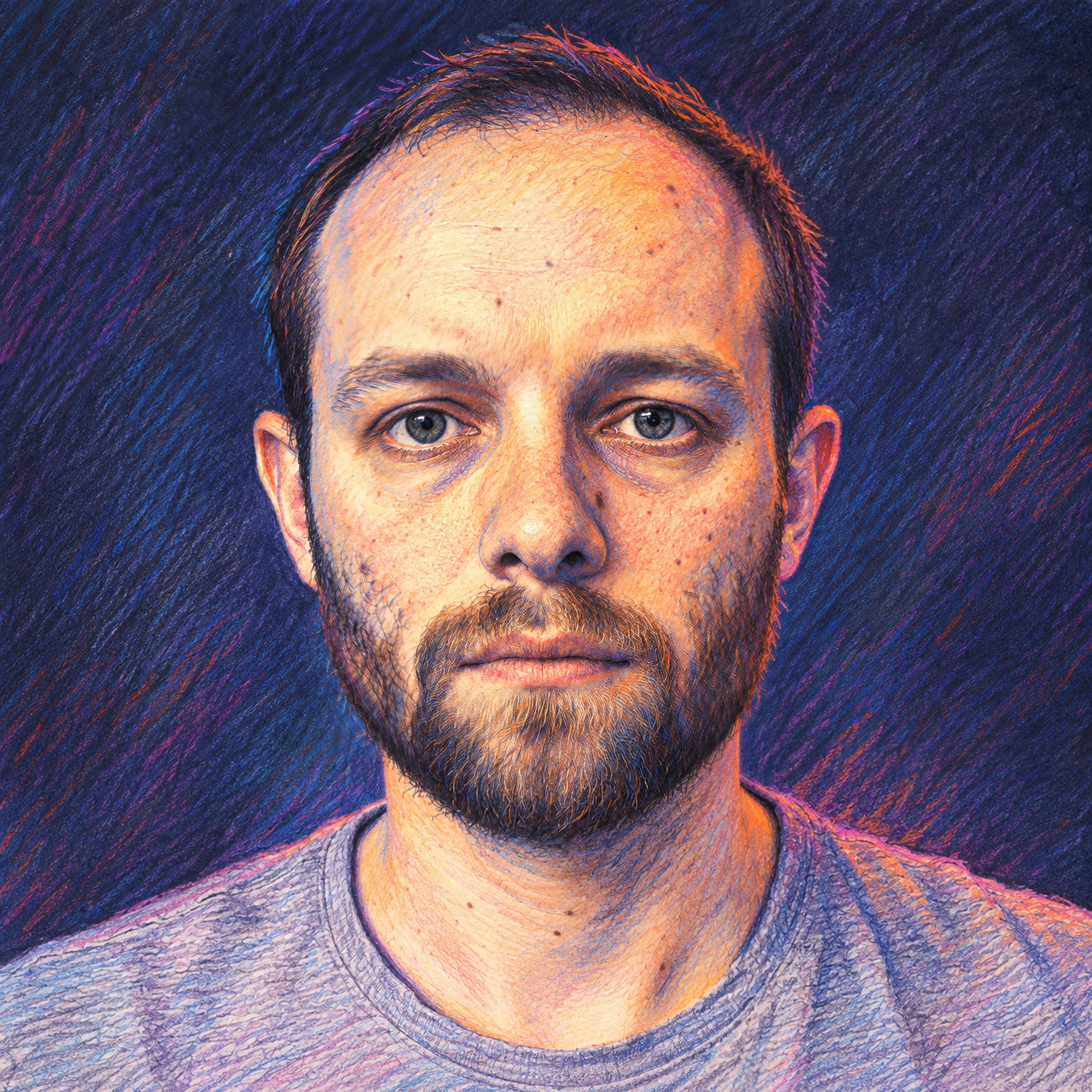
A father of two, a builder of software, and someone who finds it difficult to leave an interesting idea alone.
Follow along on X ↗